Cost components
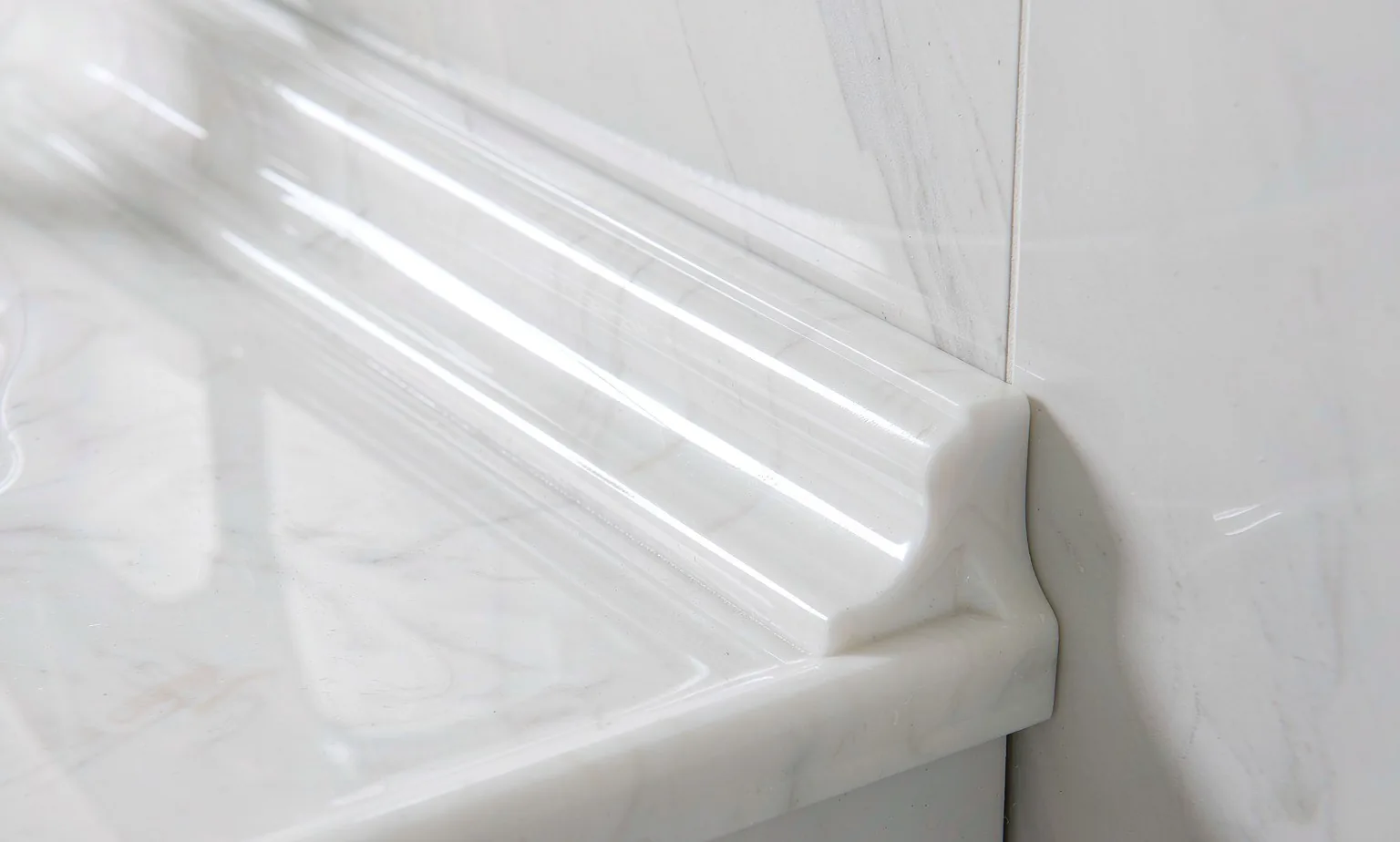
1) Stone, by variety and area; strongly veined varieties usually cost more. 2) Book-matching, which adds 10 to 20 percent wastage over random laying. 3) Thickness: 18 mm is standard for walls, thinner panels for light troughs. 4) Installation: dry-hanging costs more than wet fixing but allows maintenance and suits large formats. 5) Finishing: light troughs, internal and external corners, skirting and cut-outs. 6) Transport and handling.
Three decisions that drive the price
1) Whether to book-match: the best effect but more wastage and labour. 2) Variety: popular whites such as Calacatta and Carrara have stable supply and transparent pricing, while rare luxury stone can cost several times more. 3) Dry-hanging versus wet fixing: wet fixing is cheaper but hard to maintain later; dry-hanging costs more but is demountable and suits large panels.
Spending wisely
Feature walls are usually modest in area, for example 3 m by 2.5 m, so choosing a strongly veined variety lifts the result without greatly increasing total cost. Use offcuts for window sills and thresholds, and specify thinner panels for light troughs to save material and space.
Installation and handover
Measure, select slabs, approve the dry lay, factory cutting, site installation, finishing, sealing, handover. At handover check that the book-match aligns, joints follow the veining, gloss is consistent, junctions are flush and the light trough glows evenly.